


Eko: Digital Stethoscopes
4.9340.00 Reviews
App Specs
- Version
- 5.48.0
- Updated On
- License
- Free
- Downloads
- 100,000+
- Developer
- Eko Health, Inc
- Categories
- Medical
- Platform
- Android
Screenshots
 Analysis by AppCompare
When I’m deciding whether a digital-stethoscope companion is worth using, I start with one practical question: do I already have a compatible Eko device, or am I looking for a complete replacement for a conventional stethoscope? Eko: Digital Stethoscopes is aimed at the first situation. It is a medical app from Eko Health, Inc, built around listening with Eko hardware rather than acting as a stand-alone diagnostic tool on a phone. That distinction matters: the app can add useful ways to work with sound, but it does not make a phone microphone a stethoscope.
I’d also think about where I need the extra digital workflow. Amplification and sound visualization can be useful when I want to inspect or revisit what I heard, while recording and sharing can help with teaching or discussion. Those benefits are most relevant to clinicians and learners who regularly auscultate and have a reason to review sounds; they are less compelling if I only need a simple instrument for occasional checks. I would treat the app as a support for clinical work, not as a substitute for training, examination, or professional judgment.
Start with the hardware and your day-to-day routine
Before installing it, I would check whether the Eko stethoscope I plan to use is compatible and whether my phone can run the app. The app is free to download, but the complete experience depends on the matching device, and optional in-app purchases are listed at $119.99 per item. That makes the real decision less about the download and more about whether the digital functions fit a workflow I already have. If I’m comparing total costs, I’d look at the hardware I need and any paid options before committing.
For a student, the attraction is being able to revisit a sound after a practical session instead of relying only on memory. For a clinician, a saved recording may be useful when discussing a finding with a colleague, provided the sharing process fits workplace privacy rules. In either case, I’d decide in advance what I want to learn or communicate from a recording; collecting clips without a clear purpose can create extra work rather than insight.
Transforming the Stethoscope Experience
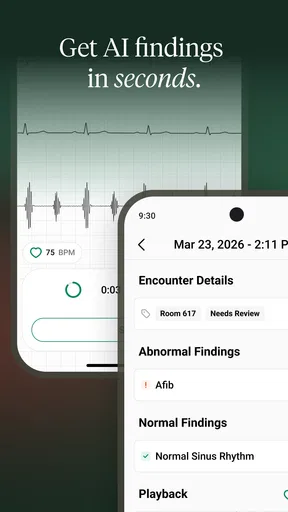
The Eko: Digital Stethoscopes app is designed to bridge the gap between traditional auscultation and modern digital tools. When you first fire up the app, it's like stepping into a world where your stethoscope doesn’t just listen, it learns. It's like having a mini AI assistant right in your pocket. The app syncs seamlessly with Eko's digital stethoscopes, allowing you to amplify, visualize, and even share heart and lung sounds. Pretty neat, right?
Getting Started with Eko
Getting started is surprisingly straightforward. Download the app, pair it with your Eko device, and you're ready to roll. The setup process is a breeze, which is a relief because nobody wants to spend hours fiddling with settings when there's a patient waiting. The interface is clean and intuitive, making it easy for anyone to navigate, even if you're not exactly a tech guru.
In practice, I’d do the pairing and basic setup before a clinic shift or class, rather than while someone is waiting for an examination. I’d also make a short test recording in a quiet room so I know how playback and sharing fit into my routine. That simple check helps separate a genuine listening issue from an avoidable setup problem, and gives me time to get comfortable with the controls before I need them.
Worth Reading Before You Choose

Flipboard Shows What News Apps Must Do Beyond the Feed

Switching to Android Auto Means Rethinking Your Driving Routine

Google Calendar Makes a Crowded Week Easier to Manage

Ludo King Makes the Most of the Minutes Between Plans

Baby Panda World Brings Quick Play to Modern Phones, but Its Game Library Feels Busy

ESPN’s Live Game View Makes Following Close Games Easier
Features That Stand Out
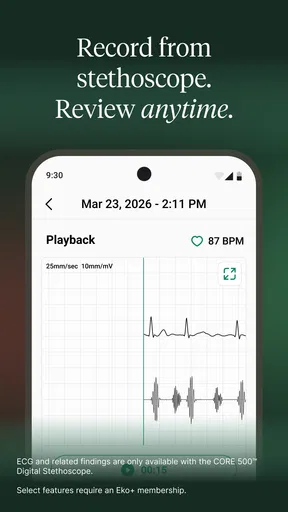
Okay, let's talk features. One of the standout elements is the ability to visualize heart sounds. Imagine seeing the heartbeat not just as a sound, but as a wave, right there on your smartphone screen. It’s like turning sound into sight, and it’s incredibly useful for those of us who learn better visually. Plus, you can record and save these sounds. This means you can play them back, analyze them, or even share them with colleagues for a second opinion. It’s like having a second set of ears, except these ears don’t get tired.
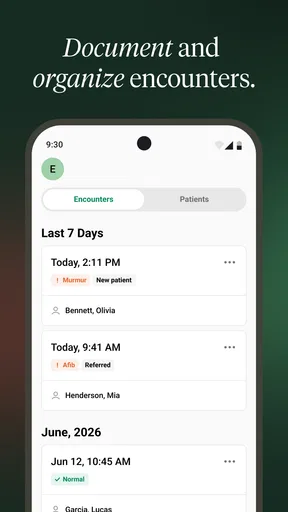
One useful habit is to make a recording only when there is a specific reason to return to it: for example, to compare what I heard with a supervisor’s interpretation or to explain a sound during a teaching conversation. I’d label and organize clips in a way that makes sense to me, while following my workplace’s rules for patient information. A saved sound can support a discussion, but it does not remove the need to interpret it in context or confirm that a recording is clear enough to be useful.
The app also offers noise filtering, which is a game-changer in busy environments. Ever tried listening to a heartbeat in a bustling hospital? It’s like trying to hear a pin drop in a rock concert. But with Eko, background noise is significantly reduced, allowing you to focus on what really matters.
Noise filtering is helpful, but I wouldn’t treat it as a guarantee that every recording will be clean. Movement, clothing, placement, and the surrounding room can still affect what reaches the stethoscope. If I’m getting an unclear result, I’d first reposition the chest piece, ask the patient to stay still if appropriate, and try again in a quieter moment rather than assuming the software can fix every source of interference. That is a practical trade-off of digital listening: more tools to work with, but still a need for careful technique.
Connecting with Patients
Eko isn’t just about tech; it’s about enhancing patient care. Having the ability to share heart sounds with patients can be a powerful tool. It turns the stethoscope from a mysterious device into a teaching aid. Patients can hear their heartbeats, understand a bit more about their health, and it opens up a dialogue that can improve doctor-patient relationships.
A realistic use is a clinician explaining what a normal breath or heartbeat sounds like during an appointment, then using the recording as a teaching aid rather than presenting it as a diagnosis by itself. I’d keep the explanation plain and invite questions, since unfamiliar sounds can worry people when they are heard without context. If someone is not comfortable listening to a recording or having it saved, I’d respect that and continue the conversation without making the digital feature the center of the visit.
Where a conventional tool may be enough
Compared with a basic acoustic stethoscope, Eko’s appeal is the digital layer: amplification, visualization, filtering, and the ability to record or share sounds. A conventional instrument may be the better fit for someone who wants a simple, self-contained tool and has no need to save or review audio. It can also be the sensible choice when a digital workflow would slow an examination or when the user does not have compatible Eko hardware.
Other digital listening options may suit people whose priority is a different device ecosystem or a different clinical workflow. I wouldn’t assume that every digital stethoscope works with this app, or that a feature found in one system will be present here. If I already use another brand, I’d compare the device compatibility and the way each system handles listening and review before switching. Eko is strongest when its companion app and hardware solve a real need together, not simply because digital sounds more modern.
Compatibility and Accessibility
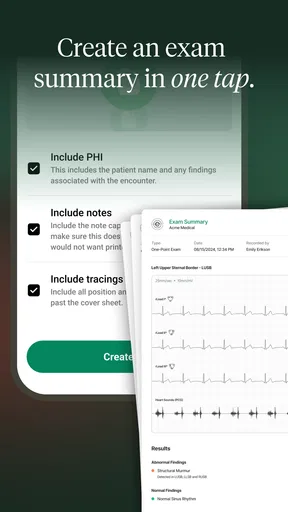
Now, you might be wondering about compatibility. The app works with both iOS and Android, so whether you’re team Apple or team Android, you’re covered. It’s also compatible with multiple Eko devices, making it a flexible choice for various healthcare settings. And for those who are concerned about data privacy, Eko takes security seriously, ensuring that all recordings and patient information are securely stored.
For a practical compatibility check, I’d confirm the specific Eko device and the phone’s operating-system requirements before relying on the app at work or in class. The current version is 5.45.0 and it requires iOS 12 or later, so an older phone may be a limiting factor even if the stethoscope itself is suitable. The app is rated for Everyone, has a 4.8 average from around 4.6 thousand ratings, and has passed 100 thousand installs. Those figures suggest broad interest, but they don’t replace checking whether the hardware and workflow match my own needs.
One more point is the cost of switching. Moving from an acoustic stethoscope to a digital setup may mean learning a new pairing and recording routine, deciding where saved sounds belong, and making sure any sharing follows the rules of the clinic, school, or health service. If I only need to listen during a routine examination, those steps may not earn their place. If I often teach, review, or discuss sounds, the extra workflow may be worthwhile. The app is free, but the listed in-app purchase price is $119.99 per item, so I’d check what any paid option covers before treating it as necessary.
Final Thoughts
Wrapping it all up, Eko: Digital Stethoscopes is like a breath of fresh air in the medical field. It’s not just about adding bells and whistles to an old tool; it’s about fundamentally changing how we interact with something as crucial as a stethoscope. Whether you’re a seasoned doctor, a medical student, or even just a curious tech enthusiast, Eko offers something valuable. So, if you’re ready to step into the future of auscultation, I’d say give Eko a shot. You might just find yourself wondering how you ever got by without it.
My recommendation is more specific than that: I’d choose it if I already use compatible Eko hardware and expect to benefit from amplification, visual review, or recordings in a regular clinical or learning routine. I’d skip it if I want a stand-alone phone app, prefer the simplicity of an acoustic stethoscope, or have no clear reason to store and revisit sounds. For someone on the fence, trying the free app alongside the intended device and testing the workflow before depending on it is the sensible approach. Its value comes from how well it fits the way I listen, teach, and follow up—not from replacing clinical skill.
Pros
- High-quality audio enhances diagnostics.
- Compatible with multiple devices.
- User-friendly interface for easy use.
- Stores recordings for future reference.
- Bluetooth connectivity is seamless.
Cons
- Requires stable internet for cloud storage.
- Premium features require subscription.
- Limited battery life on prolonged use.
- Initial setup can be a bit complex.
- Not compatible with older devices.
FAQs for Eko: Digital Stethoscopes
What is Eko: Digital Stethoscopes used for?
Eko: Digital Stethoscopes is designed for healthcare professionals to enhance auscultation exams. It allows users to amplify, visualize, and share heart and lung sounds. The app integrates with Eko devices to provide advanced screening capabilities, making it a valuable tool for improving diagnostic accuracy and patient care.
How does the Eko app integrate with digital stethoscopes?
The Eko app seamlessly pairs with Eko’s digital stethoscopes via Bluetooth, allowing users to record, save, and analyze heart and lung sounds. The app provides real-time visualization and offers features like playback, amplification, and filtering, making it easier to identify specific sounds and diagnose conditions.
Is Eko: Digital Stethoscopes app available for both Android and iOS?
Yes, Eko: Digital Stethoscopes is available for both Android and iOS platforms. Users can download the app from the Google Play Store for Android devices and the Apple App Store for iOS devices, ensuring accessibility for healthcare providers regardless of their preferred mobile operating system.
Does Eko: Digital Stethoscopes require a subscription for advanced features?
While basic features of the Eko app may be available for free, advanced functionalities such as in-depth sound analysis and cloud storage options typically require a subscription. Healthcare professionals can choose from various plans to suit their needs, ensuring they have access to the tools necessary for comprehensive patient assessments.
How secure is patient data on Eko: Digital Stethoscopes?
Eko prioritizes the security and privacy of patient data. The app complies with HIPAA regulations, ensuring that all recorded and stored patient information is encrypted and safeguarded against unauthorized access. Users can confidently share recordings with other healthcare professionals, knowing that patient confidentiality is maintained.


